The things I didn’t know
Every day, I encountered a new skill I didn’t have, a business concept I didn’t understand, or a problem I didn’t know how to solve.
The more I learned, the more I realized how much I still didn’t know.
A story about becoming someone
you’ve never been before.
What happens when the person you’ve always been is no longer the person you want to become?
In March 2024, I took the stage at Richmond Hill Tech Community’s International Women’s Day event to share a deeply personal story about entrepreneurship, self-doubt, and reinvention.
And I told it through a rather unusual character.
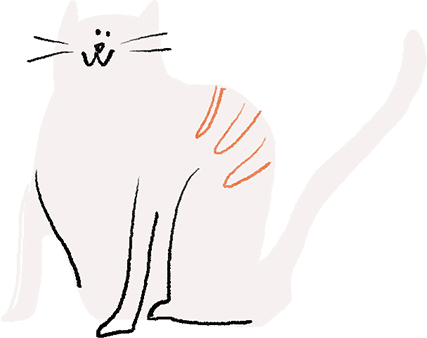
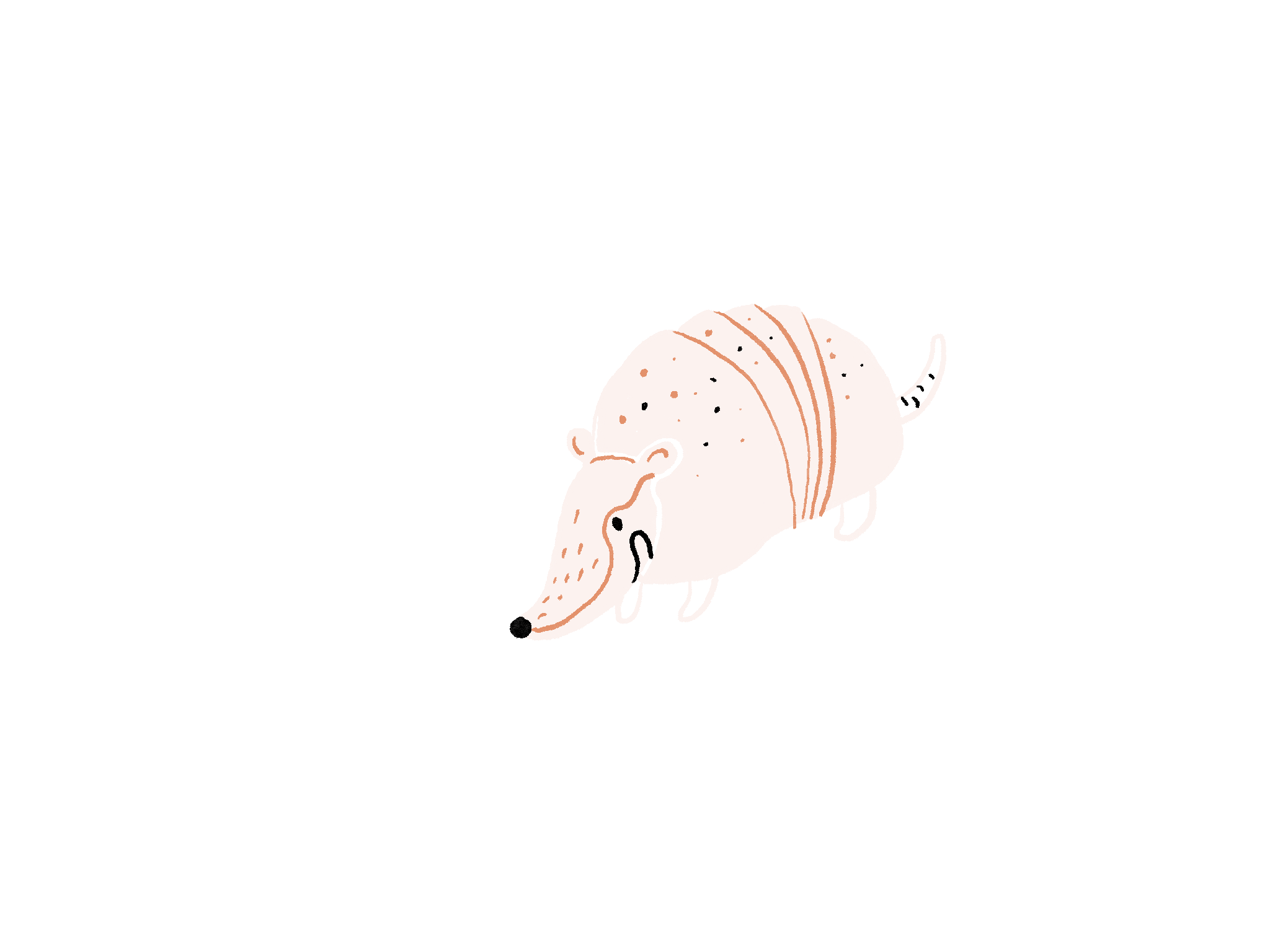
A cat who wanted to become an armadillo.
For most of my life, my identity was clear. I was an artist, a designer, a storyteller.
I co-founded Kafshdoozak, a children’s storytelling startup that grew from a university project into a business. Later, I moved to Canada, explored animation and multimedia, and built my career in design.
But when I co-founded Foodeasy in 2023, I found myself navigating unfamiliar territory.
Suddenly, being a good designer wasn’t enough.
I had to understand business development, networking, funding, strategy, and a hundred other things I had never been taught.
Worse, I had to learn how to see myself differently.
The hardest part of becoming an entrepreneur wasn’t learning new skills. It was learning to believe I belonged.
Every day, I encountered a new skill I didn’t have, a business concept I didn’t understand, or a problem I didn’t know how to solve.
The more I learned, the more I realized how much I still didn’t know.
To the people around me, I was still the designer.
When I talked about my startup, people would ask whether I designed its logo or website.
They weren’t necessarily trying to discourage me. But being constantly reminded of my old identity made it harder to feel confident in my new one.
Growing up, I experienced expectations about what women should and shouldn’t do. I had to confront beliefs that made me question my capabilities long before I started a business.
Those experiences didn’t simply disappear when I decided to become an entrepreneur.
Together, these challenges slowly changed my shape.
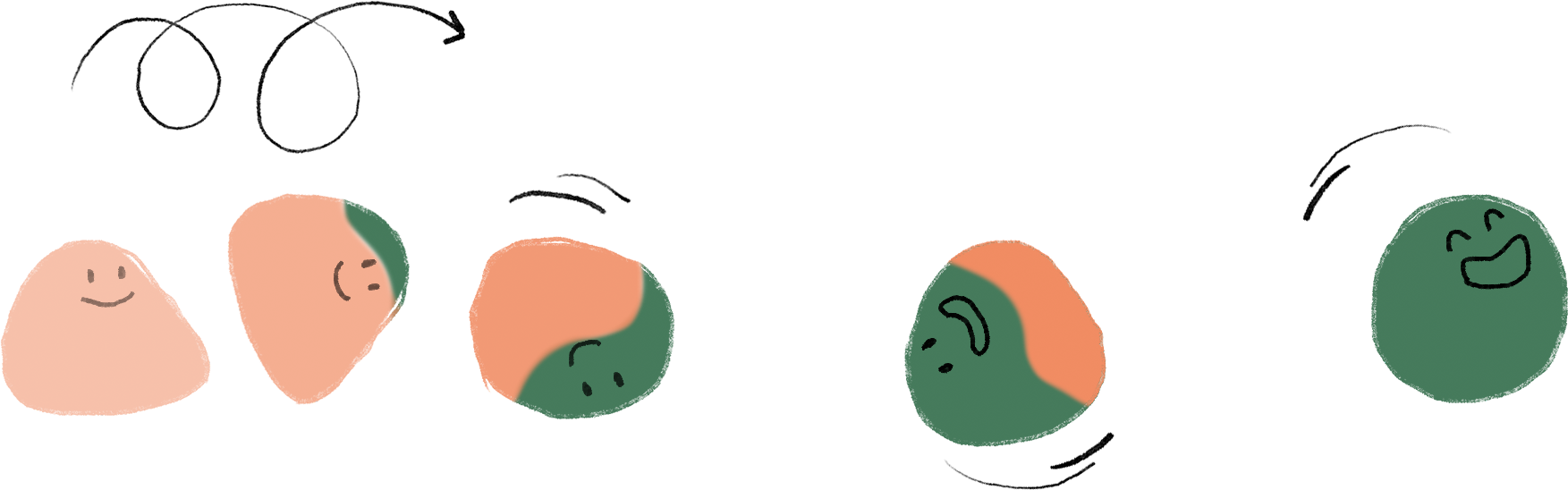
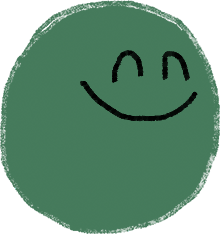
In the presentation, I imagined myself as a circle: smooth, confident, rolling forward.
Then came the bumps. The pressure. The sharp edges.
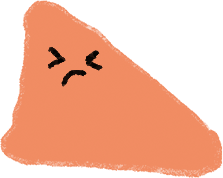
Until eventually, I was a triangle.
And triangles aren’t particularly good at rolling.
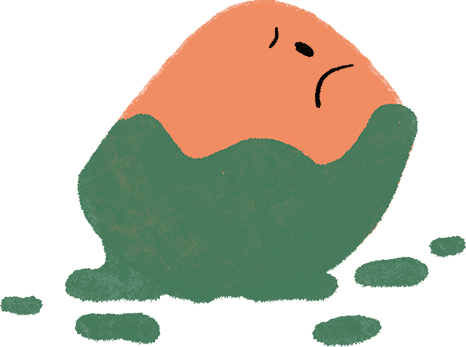
There were days when giving up seemed easier than trying again.
But what changed things for me wasn’t some extraordinary breakthrough. It was a much smaller idea.
Inspired by Atomic Habits, I began breaking overwhelming goals into tiny actions I could repeat.
One problem at a time. One step at a time.
And because progress can be invisible when you’re living through it, I started measuring my habits and tracking my progress.
Little by little, I began to see changes. Not because the challenges had disappeared, but because I was learning how to keep moving despite them.
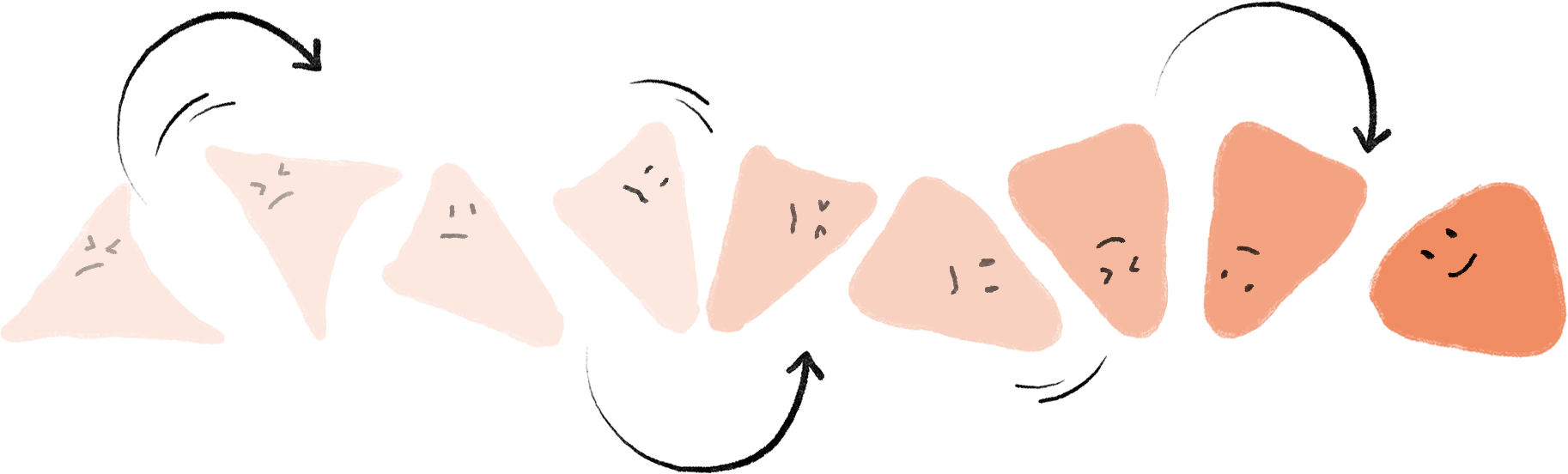
You don’t have to see the entire path. Sometimes you just need enough courage for the next flip.
Networking terrified me.
As an introvert, I could invent a hundred reasons not to attend an event.
So instead of forcing myself to become a confident networker overnight, I created the smallest challenge I could imagine.
That was it. If I completed those three things, I could go home feeling successful.
At one Richmond Hill Tech Community event, that tiny commitment led me to meet Priti from the Richmond Hill Small Business Centre.
That one conversation introduced our startup to the Starter Company Plus program, workshops, mentorship, funding opportunities, and a much wider entrepreneurial network.
We later connected with organizations including YSpace and the Toronto Business Development Centre, and participated in the Land & Expand program as one of its top ten businesses.
A small personal challenge had opened doors I hadn’t known existed.
Sometimes, the distance between where you are and where you want to be starts with one question.
I didn’t want to give a conventional presentation about entrepreneurship or success. I wanted the audience to recognize themselves in the story.
So I combined personal experiences, playful characters, shape-shifting animations, simple illustrations, and a little self-deprecating humour.
The Catmadillo became a way to talk about things that aren’t always easy to discuss: insecurity, belonging, childhood beliefs, fear of failure, and the exhaustion of starting over.
The goal wasn’t to present a perfect success story. It was to make the messy middle of transformation feel understandable, relatable, and a little less lonely.
Turning difficult experiences into a practical framework for moving forward.
Building connections through the 1–1–1 approach, leading to mentorship and startup opportunities.
Using visual metaphor, animation and humour to make an emotionally complex subject understandable.
The Challenge of Creating a New Identity
International Women’s Day Special
Richmond Hill Tech Community
Speaker: Armaghan Taghvaei, Co-Founder of Foodeasy
A personal storytelling presentation exploring identity, entrepreneurship, limiting beliefs, resilience, and the power of small, measurable actions.